&geometry(325x80) "Model Consultants International")
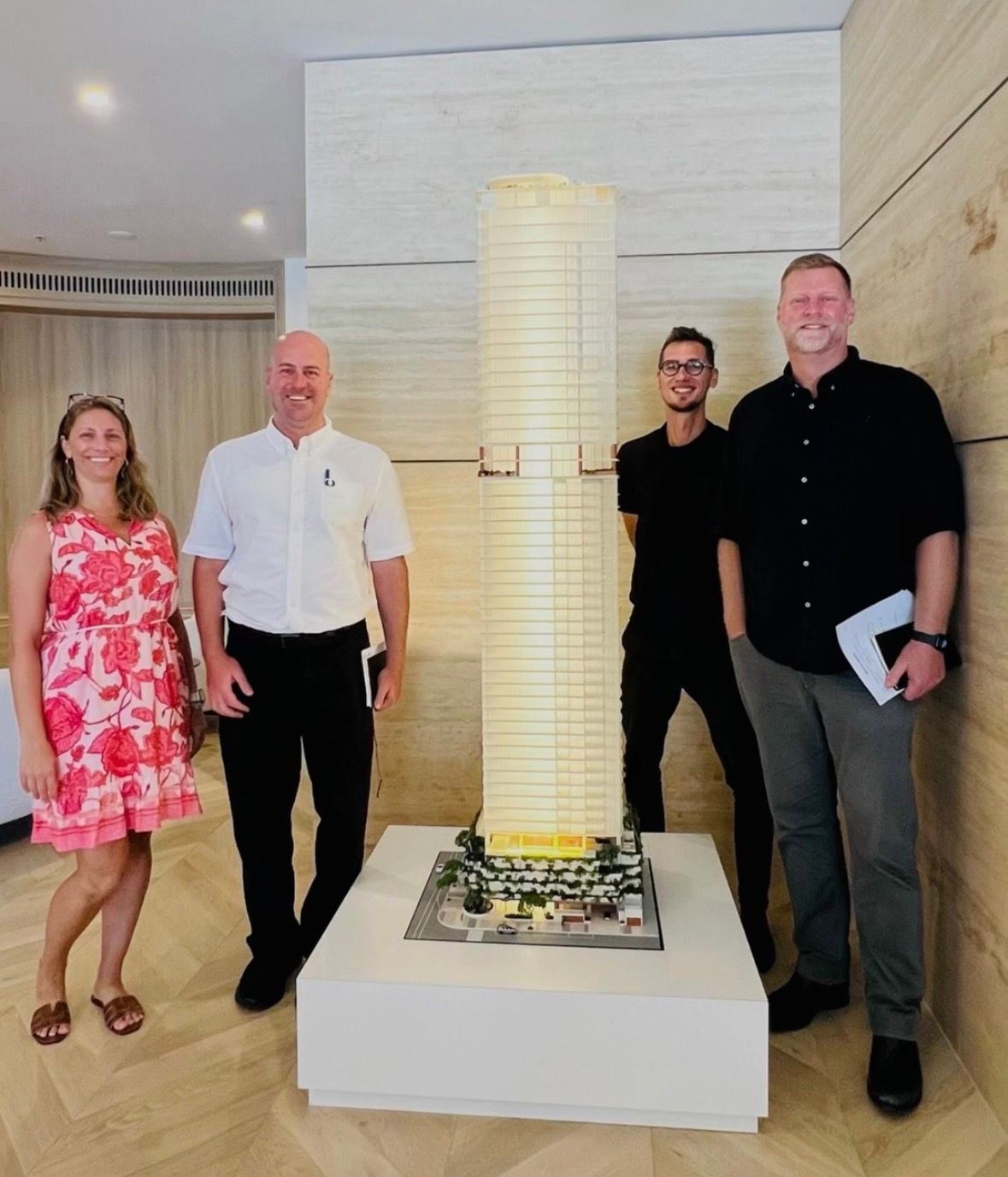
Why Physical Architectural Models Still Matter in a Digital Age
 "Why Physical Architectural Models Still Matter in a Digital Age")
Digital tools have changed the way architecture is designed and presented. Renders, animations and virtual walkthroughs are now common. However, physical architectural models continue to play an important role.
The key reason is understanding. A physical model allows people to instantly grasp scale, proportion and spatial relationships. Walking around a model and viewing it from different angles creates a level of clarity that screens often cannot provide.
Physical models also encourage collaboration. They become a shared reference point in meetings, helping architects, clients, planners and investors align quickly. Questions are resolved faster, and discussions become more focused.
Rather than replacing digital tools, physical models work best alongside them. Digital visuals communicate finishes, lighting and mood. Physical models communicate form, massing and real-world scale. Together, they tell a clearer story.
In a digital-first world, physical models still stand out because they are tangible. They slow the conversation down, invite engagement and help complex ideas feel more accessible.
If you’re exploring ways to communicate your project more clearly, speak with our team about how a physical model could support your next presentation or approval process.
Contact us to discuss your next project.